In medicine, we present cases:
“A 60-year-old-male with a history of hypertension and diabetes presents with chest pain.”
From the very beginning, a human being becomes a case.
The presentation is efficient, concise, and necessary. It helps us organize information, communicate clearly, and formulate diagnoses. There is value in that structure.
But somewhere within the medical history, lab values, and differential diagnoses, the person can quietly disappear. The patient becomes defined by illness. The human is forgotten.
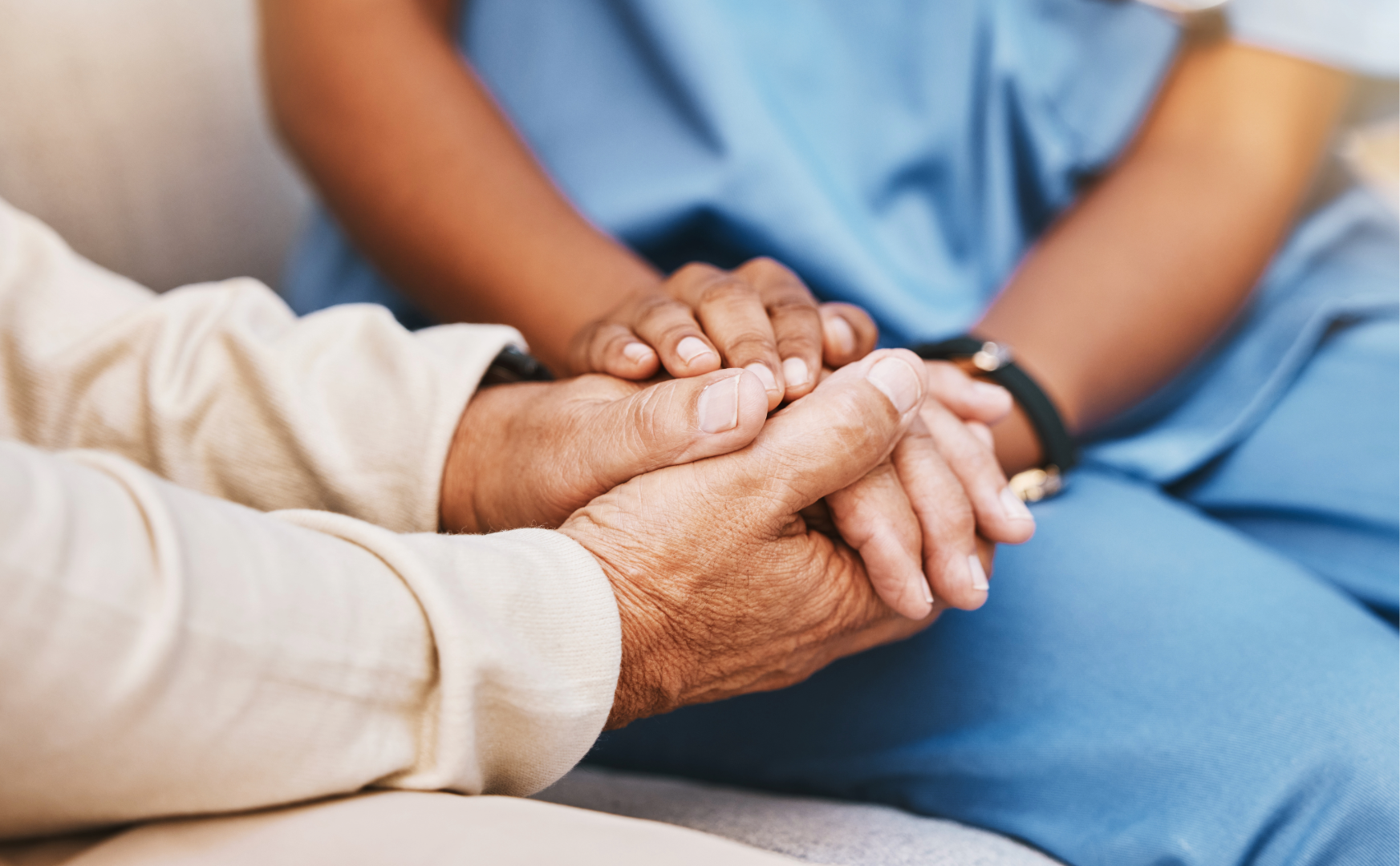
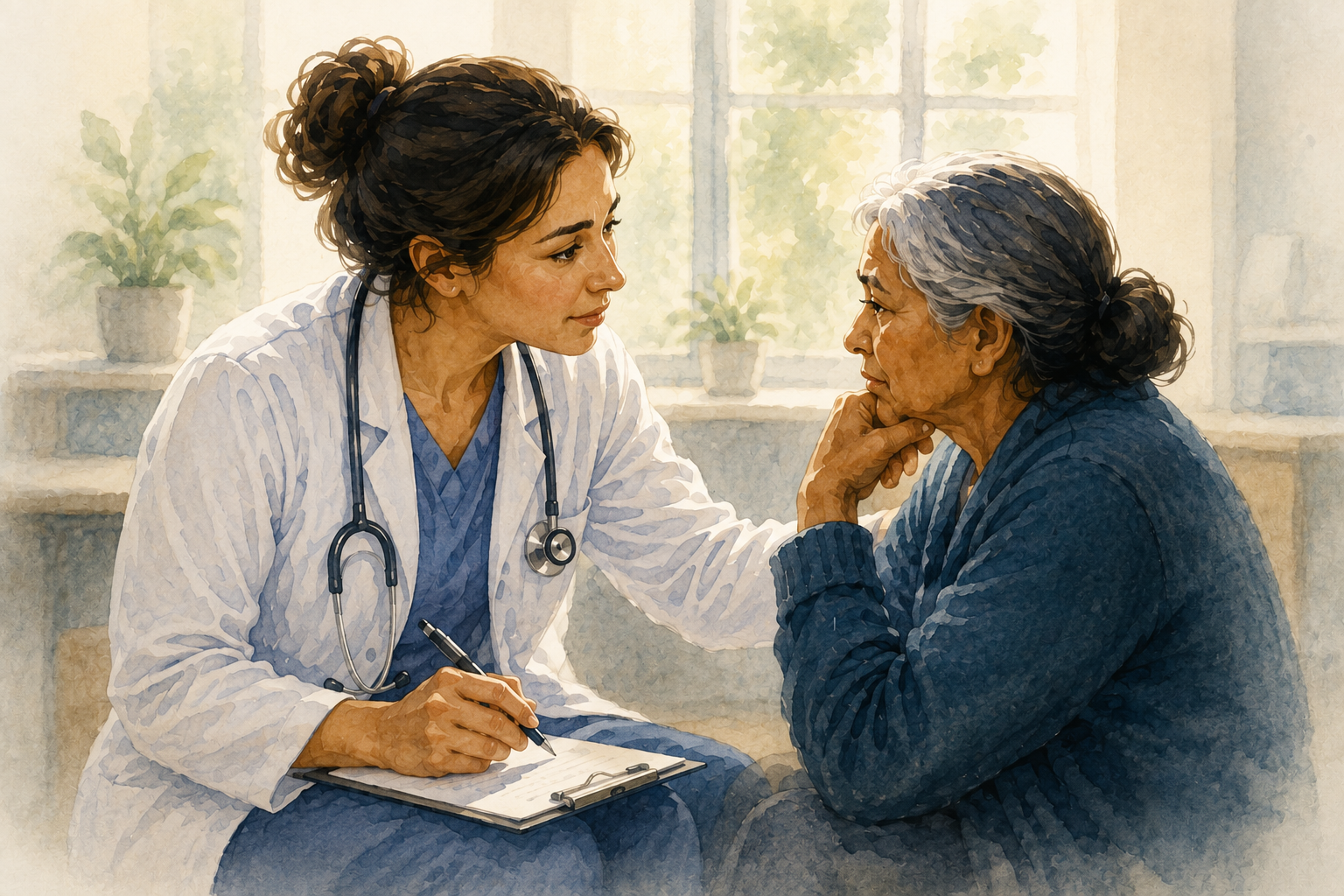
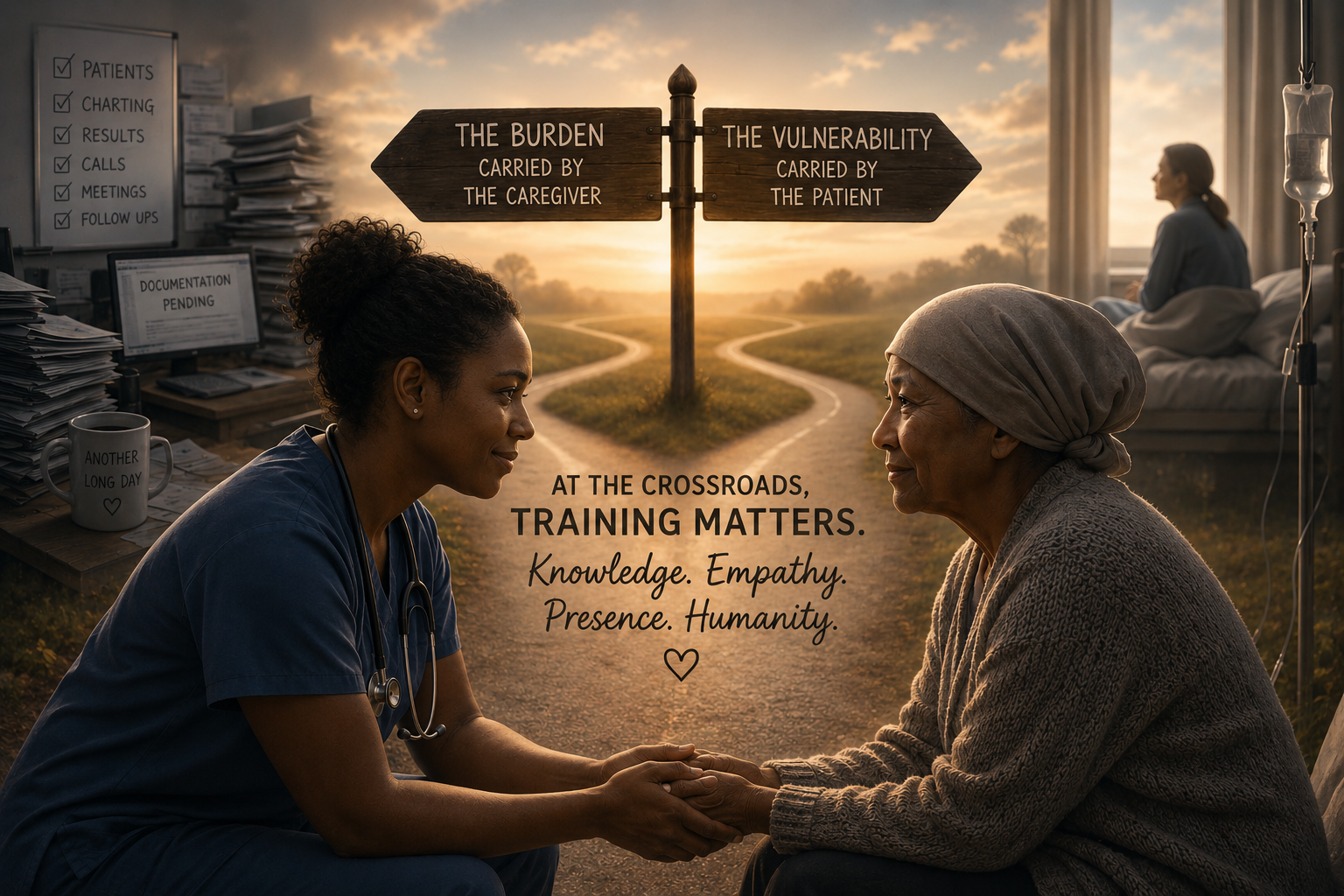
And while there is nothing inherently wrong with clinical efficiency, we must be intentional that our efficiency does not create walls between us and the human sitting across from us, that we are mindful of seeing patients as people.
Because before the hospital room, before the diagnosis, before becoming a patient — they were human first.
A mother. A father. A sibling. A friend. A person deeply known and loved.
If we carry that awareness in our subconscious minds, the walls begin to break down, and compassion naturally finds its way back into medicine. We’re not just presenting cases — we’re healing human beings.
Clinicians sometimes find themselves on the other side of the bed — have you ever felt like your doctor or nurse saw you as a person, not just a patient? What did they do that made you feel that way? Share it in the comments — so we can all learn from your experience.

Leave a Reply